How to Set Breakout Alerts That Actually Trigger on Time

Missed breakouts cost money. If alerts fire late, at the wrong price, or not at all, the entry is gone and the risk-reward thins out. Use the process below to set breakout alerts that trigger when they should across stocks, ETFs, futures, forex, and crypto.
1) Nail the breakout level
The level decides the trade. Sloppy zones lead to noisy alerts. Tight, validated lines lead to clean triggers.
Choose timeframes with intent
- Intraday entries. Build structure on 5 to 15-minute charts. Use a 1-minute for execution. Focus on clean consolidations, prior day high/low, and opening range breakouts.
- Swings. Mark ranges on daily and weekly charts. Use the 1-hour for exact trigger placement and to spot fake breaks.
- 24-hour markets. Futures, forex, and crypto run around the clock. Anchor levels to the most liquid sessions, then confirm on higher timeframes so overnight wiggles do not dominate.
Mark exact prices, then stress-test them
- Use the highest close inside a range for upside breaks and the lowest close for downside breaks. This trims wick noise.
- Write the exact number. If the inside spread is wide, plan the alert a few cents or ticks beyond the line so you do not trigger on a single odd lot.
- Switch views to validate. Candles show wicks and failed probes. A line-on-close chart removes wick noise. If the level only exists on a 1-minute candle with messy tails, it is not a level.
- Check VWAP and bands. If your breakout sits well outside VWAP bands after a big push, you are likely chasing. Favor breaks that retest or base near VWAP before the push.
- Align across charts. Use a multi-panel layout to keep the 1-minute, 15-minute, and daily in view. If the line matters on two timeframes, it is more likely to stick.
Concrete example: a stock bases between 49.60 and 49.95 for an hour. The highest 5-minute close is 49.92. Set the breakout price at 49.93 to trim a 49.95 wick. If the spread is 2 cents, your first alert might sit at 49.95 to catch the cross, not the noise below it.
2) Configure alerts that fire when they should
Alerts must be close enough to catch momentum and far enough to avoid chop. Size buffers by spread and volatility, then add a confirm step.
- Primary trigger. Place the first alert just beyond the level. For upside: 1x spread or 0.02% to 0.05% of price above the line on liquid names. On thin names, use the larger of 2x spread or 0.10%.
- Confirmation. Add a second alert a short distance beyond the first. Examples: another 1x to 2x spread on liquid stocks, 0.05% on index futures, 0.10% on crypto pairs. If both fire in sequence, price is pushing, not just poking.
- Volatility filter. If you track ATR, set the buffer as 0.05x ATR on liquid tickers and 0.10x ATR on thin ones. This adapts the alert to current tape speed.
- Close vs cross. For momentum entries, use cross-of-price so you hear it as the market touches the level. For break-and-hold styles, use alerts that require a bar close beyond the level to avoid head fakes.
- Pair with trade levels. Draw planned entry, stop, and at least the first target. Require a minimum 2:1 reward to risk at the expected fill. If the math is not there, skip.
With TickerLists, click any price to set unlimited alerts, draw entry, stop, and target lines, drag to adjust, view P/L at each level, and sync alerts across devices. Charts are phone-friendly with pinch-to-zoom, and you can display one, two, or four panels to run live stock charts for multiple timeframes at once. If you are moving from another platform, you can import TradingView exports with sections and keep your structure intact.
Route alerts where you act fastest. For symbols you must watch, send push and email. For second-tier ideas, send only push. Group symbols in watchlist sections so the best setups rise to the top.
3) Respect sessions, liquidity, and catalysts
Many clean breaks begin outside regular hours or at session handoffs. Plan for it.
- US stocks. Pre-market runs 4:00 to 9:30 ET. After-hours runs 16:00 to 20:00 ET. Create a set of extended-hours alerts separate from regular hours so you can act without contaminating RTH stats.
- Opening behavior. Mark the opening range high/low from the first 5 to 15 minutes. Continuation often comes from an opening range break rather than chasing the initial gap.
- Thin tape buffers. Liquidity is lower pre-market. Widen the alert buffer to 2x to 3x the spread or to 0.10% to 0.20% of price. On thick names, keep it tight.
- Overnight reference points. Track pre-market high/low and prior day close. A break through pre-market high with volume near the cash open is higher quality than a 7 a.m. wick through that level.
- Futures and forex. Index futures trade nearly 24 hours. Use the cash equity open and European handoff as anchors. In forex, London and New York overlaps drive range expansion. Time alerts to those windows if that is when you trade.
- Crypto. Weekend moves are common. Breakouts often cluster around the U.S. cash equity open and weekly close. If that is your playbook, schedule session-specific alerts.
- Catalysts. Earnings, guidance, rating changes, and headlines change behavior. Show next earnings date and recent headlines on your board so you know if a break is news-driven or drift.
Market data can be real-time or delayed depending on the exchange. If you trade fast symbols, verify the feed before you rely on penny-precise triggers or increase your buffers to compensate.
4) Execute with risk in mind
An alert is a prompt, not a promise. Tie the trigger to a plan you can execute quickly.
- Entry method. For momentum, use stop or stop-limit orders. If using stop-limit, set a reasonable limit offset so you are not locked out by a fast move. Example: trigger 49.95, limit 50.02 on a 2-cent spread.
- Position sizing. Size by distance to stop, not conviction. If your stop is 30 cents away and you risk $300, you can buy 1,000 shares. If volatility expands and the stop needs 50 cents, cut size to 600.
- Volume and VWAP. After the alert, check if volume is expanding and price holds above VWAP on an upside break. Failure to hold above VWAP within a few bars is a warning to throttle size or pass.
- Targets and partials. Place a first target at 1R to pay risk, then trail with a swing low/high, VWAP, or a short EMA. If the tape gets slippery, stop chasing and wait for a retest.
- Plan B. If only the primary alert fires and price stalls, wait for the confirm alert or for an opening range break. Avoid forcing fills because a sound went off.
Sanity-check the plan on today’s 1-minute chart before the open. If the odds and structure are not there, move the name to a lower-priority section and free your attention.
5) Review outcomes and fix the weak links
Keep a tight feedback loop so each alert makes the next one better.
- Save the context. After an alert fires, drag lines to actual entry, stop, and target fills. Capture a screenshot of the 1-minute and your higher timeframe. Tag the symbol in a “review” section.
- Score VWAP behavior. Did price hold above VWAP after an upside break or snap back? If it cannot reclaim within 3 to 5 bars, the break lacked pressure. Adjust buffers or skip that pattern when tape is slow.
- Log catalysts. Note earnings, headlines, rating changes, or guidance. You need to know if your setup depends on news or works in quiet markets.
- Tighten definitions. If failed alerts share traits like wicky 5-minute highs, late triggers drawn on 30-minute while you execute on 1-minute, or levels too close to a 52-week mark, write those into your rules.
- Exact-on-level alerts in wide spreads. Fix by placing the alert a buffer beyond the line. Increase the buffer as spreads widen or liquidity thins.
- Wrong timeframe for the goal. If you enter on a 1-minute but draw levels on a 30-minute, the trigger will feel late. Align alert timeframe with entry timeframe and confirm on higher charts.
- Ignoring extended hours. Breakouts often begin pre-market. Create separate extended-hours alerts and watch the open for confirmation.
- Overfitting to noise. If a level is built on messy wicks, switch to line-on-close and redraw. Validate on multiple timeframes.
- Data timing mistakes. Confirm real-time vs delayed for each exchange. If delayed, widen buffers or avoid fast names.
- Single alert mentality. Add a confirm alert beyond the first. If only the first fires, you can wait for strength. If both fire, momentum is building.
- No risk context. Always visualize stop and target with the alert. If reward to risk is weak, let it pass.
If running your business site pulls you away from markets, hand that off so you can keep this review cadence. A web agency like RedStudio can maintain and optimize your website while you focus on planning and executing trades.
Key takeaways
- Define precise breakout prices using closes, validate with VWAP, and confirm on higher timeframes.
- Use a primary and confirm alert with buffers sized to spread and volatility.
- Treat extended hours separately, anchor to opening ranges, and adjust for thin tape.
- Execute with a clear entry, stop, and targets, then review each trigger and fold findings into rules.
- Keep clean watchlists and layouts so attention stays on A setups.
If you want a simple workflow that travels, your lists, alerts, levels, and layouts can be saved to your account and sync across devices. Your stock price alerts and live stock charts stay consistent at a desk or on your phone. If you are exploring a TradingView alternative for watchlists and alerts, make sure your tool can import your existing symbols, track multiple markets, and handle extended-hours quotes without friction.
FAQ
How far above a level should I set a breakout alert?
Set it just beyond the level so noise does not trigger it. On liquid large caps a few cents can work. Widen the buffer on thin names or wider spreads.
Should I keep breakout alerts active during pre-market and after-hours?
Yes, but treat them separately. Liquidity is thinner, so widen buffers and confirm at the regular session open before entering if the move looks stretched.
Which timeframe is best for breakout alerts?
Match your entry timeframe. For intraday trades, use 1-minute for execution and confirm on 5 to 15-minute. For swings, set alerts on daily and confirm on weekly.
How do I avoid false breakout alerts?
Use a confirm alert a bit beyond the first, align with VWAP, and avoid levels defined only by wicks. Check news or earnings to filter low-quality breaks.
Can I import my existing watchlists when switching tools?
Yes, you can import TradingView exports with sections so your symbols and structure carry over without manual re-entry.
More from the blog
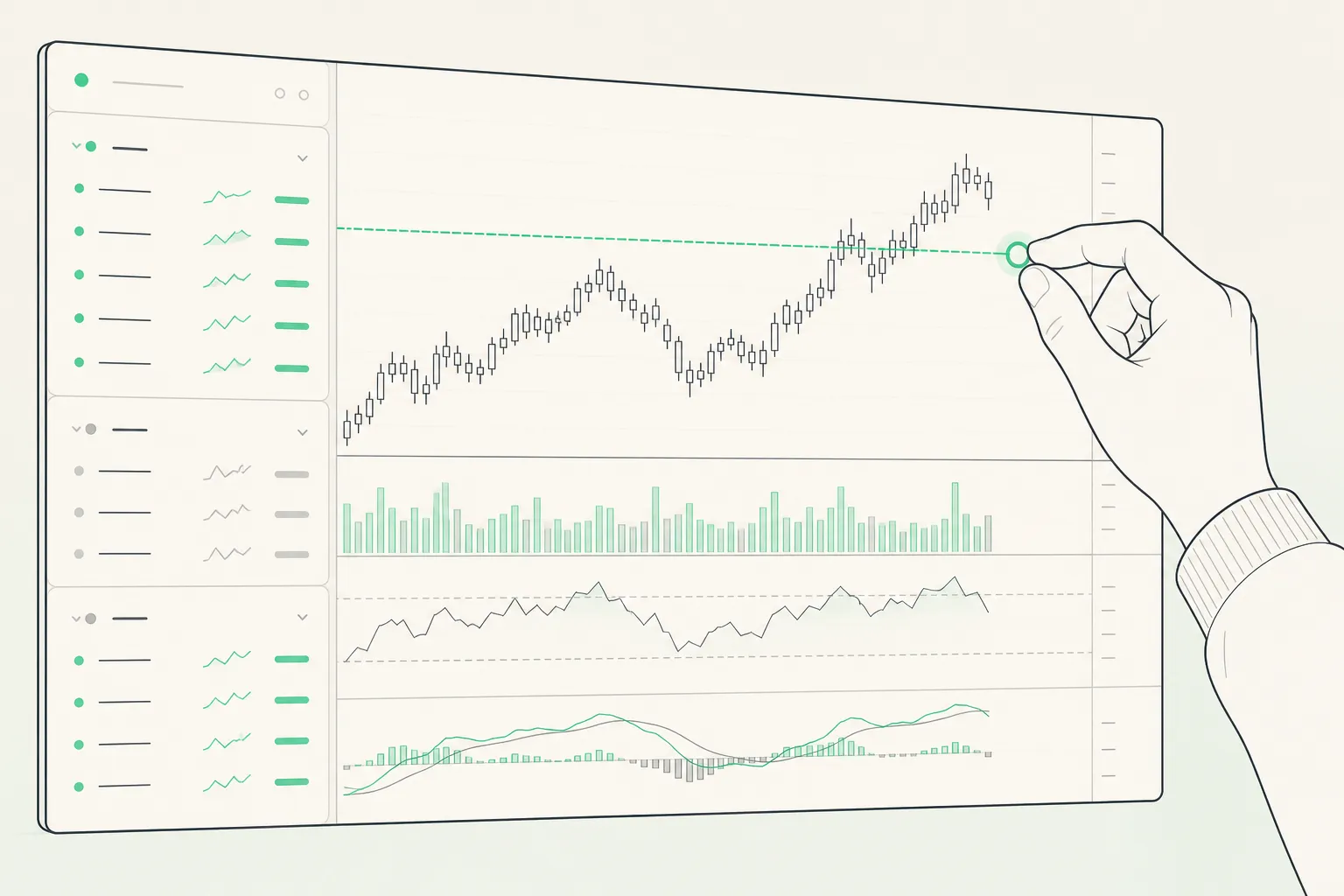
Best Charting Platforms for Watchlists, Alerts, and Layouts
Compare top charting platforms for fast watchlists, live charts, and price alerts. Get latency tips and a 7-day checklist to import and test your lists.
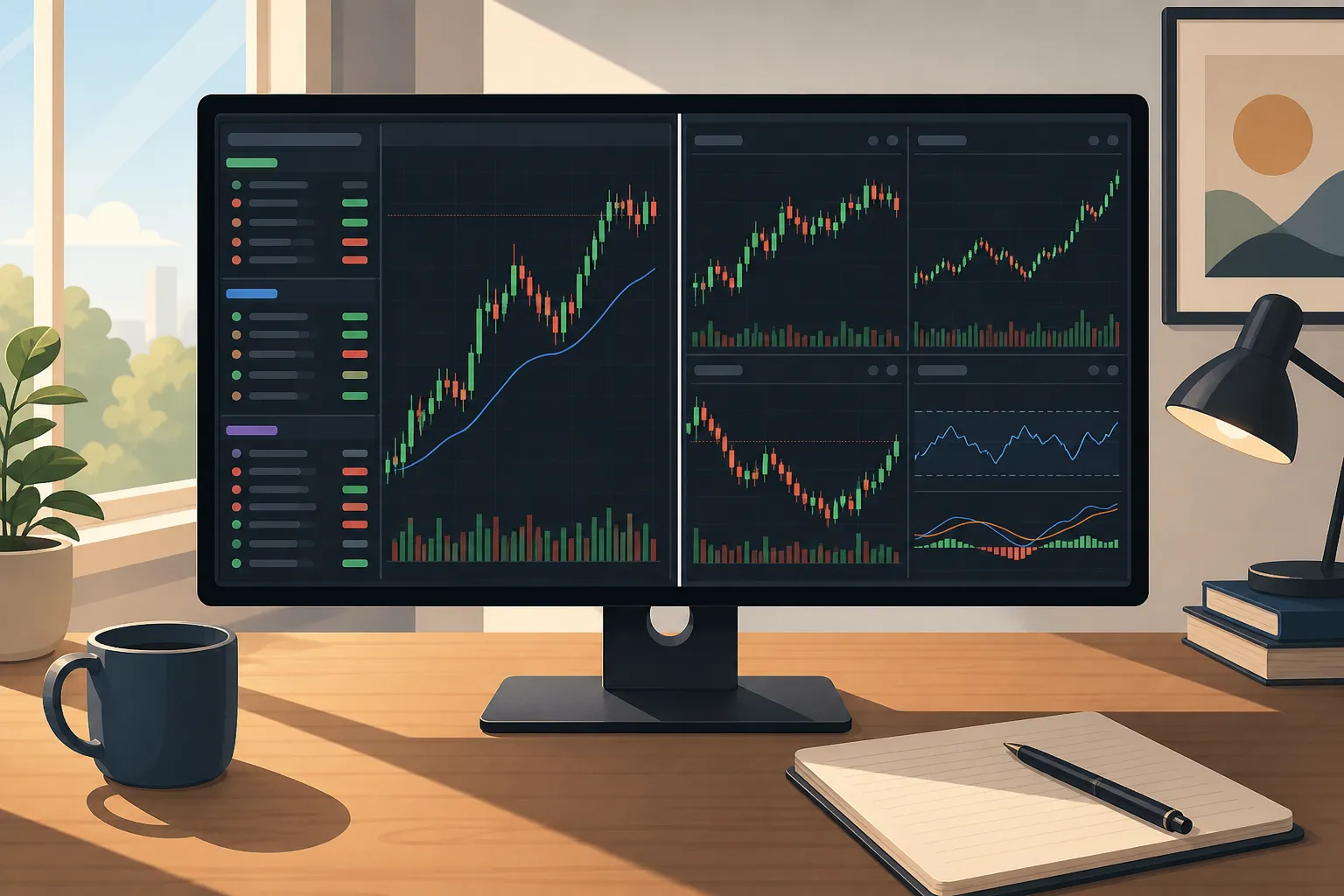
TradingView vs TickerLists: Watchlists, Charts, and Alerts
TradingView vs TickerLists: compare watchlists, live stock charts, price alerts, VWAP, and layouts. Learn who each suits and how to migrate fast.
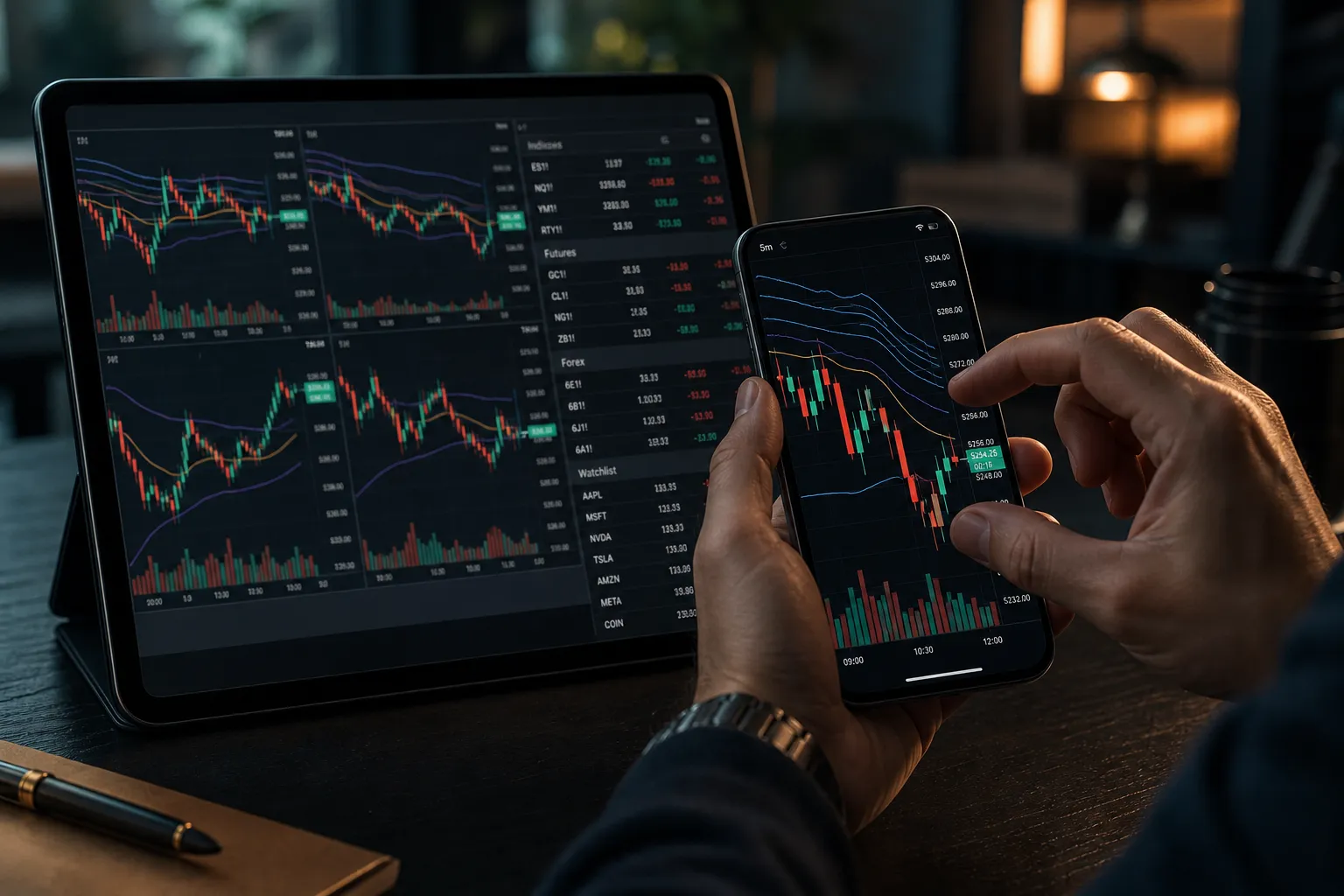
Best TradingView Alternatives for Live Charts and Watchlists
Compare fast watchlists, real-time quotes, alerts, and latency across TradingView alternatives, plus how to import TradingView lists into TickerLists.
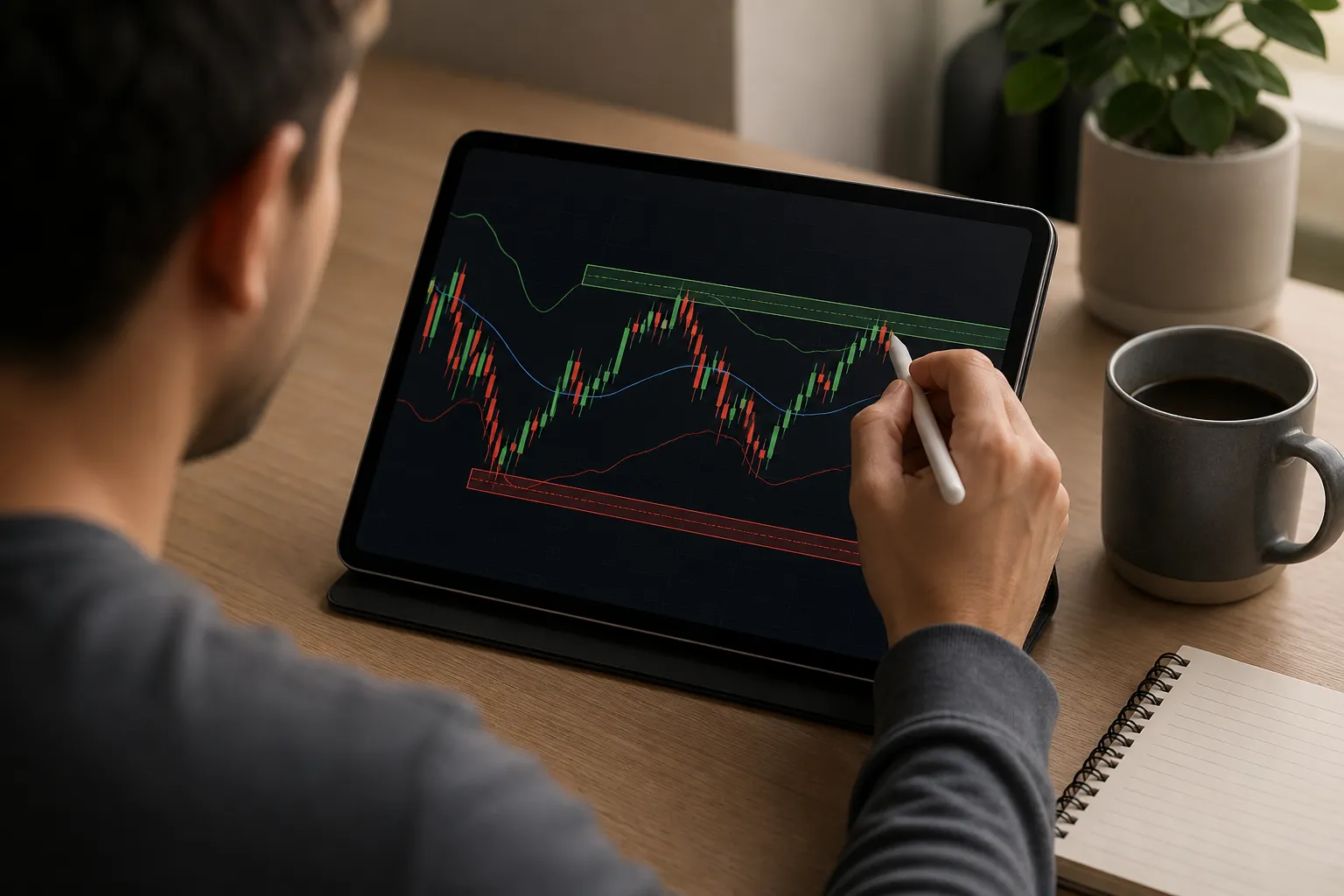
How to Read Stock Charts: A Beginner's Step-by-Step Guide
A practical guide to reading stock charts: candles, timeframes, trend, support and resistance, VWAP, and how to practice with live watchlists and alerts.